Guadalupe Mountains National Park
 400 Pine Canyon Dr, Salt Flat, TX 79847
Conquering the Top of Texas
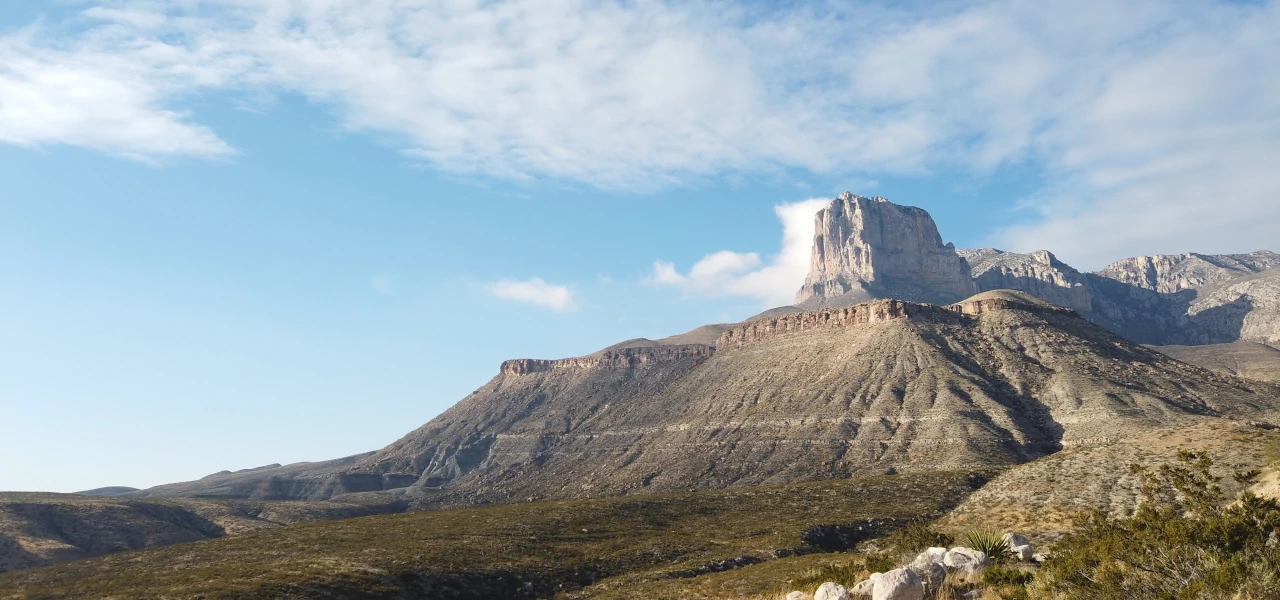
Rising like a limestone fortress from the Chihuahuan Desert, Guadalupe Mountains National Park is a rugged masterpiece of ancient history and high-altitude adventure. Home to the four highest peaks in Texas and the world’s most extensive Permian fossil reef, this park is a hiker’s paradise. Whether you’re standing at the 8,751-foot summit of Guadalupe Peak or wandering through the fiery maples of McKittrick Canyon, this is Texas at its most majestic.
The park’s landscape consists of desert areas, vast prairies and scenic canyons. Vegetation varies from desert plants like agaves and cacti to deciduous and coniferous trees at the higher elevations. Animal lovers can spot a variety of wildlife in the park, including deer, elk, coyotes, and porcupines.
Guadalupe Mountains Visitor Center
Your expedition begins at the Pine Springs Visitor Center (the park’s primary Guadalupe Mountains Visitor Center). Located at the base of the mountains, this hub is essential for more than just a souvenir. Rangers here provide the latest updates on the park’s notoriously fickle weather—where “mountain time” and high-velocity winds can change your plans in an instant.
Spend twenty minutes in the museum to understand the geology of the Capitan Reef, one of the world’s most well-preserved ancient reefs. Before you lace up your boots, ensure you have your National Park Pass or pay the entry fee here.
Best Time to Visit
Choosing the “best” time to visit the Guadalupe Mountains is less about the calendar and more about your appetite for adventure. Because the park spans desert floors and alpine peaks, you can experience two different seasons in a single afternoon.
Visiting in the Fall (Late October – Mid-November)
If you can only visit once, make it the fall. This is the park’s “red carpet” moment. While most of the Chihuahuan Desert remains brown and sun-scorched, McKittrick Canyon transforms into a fiery corridor of red, orange, and gold. The contrast of brilliant autumn leaves against the backdrop of limestone cliffs and desert yucca is one of the most photographed sights in any Texas National Park.
The weather shoul be mild and stable. Expect daytime highs in the 60s or 70s—perfect for the grueling hike up to Guadalupe Peak.
But be wary: Fall is the busiest time of year. If you plan on camping, reservations at Pine Springs or Dog Canyon should be made months in advance.
Visiting in Spring (March – May)
Spring is the season of extremes. It is the most popular time for hikers, but it requires the most preparation. In April and May, the desert floor comes alive with the blooms of claret cup cacti, yuccas, and the rare Guadalupe Mountains Violet (found nowhere else on Earth).
The Winds are a challenge, though. Spring is “wind season” in West Texas. It is not uncommon to experience sustained winds of 30 mph with gusts exceeding 70 mph. If you are tent camping, ensure your stakes are hammered deep into the rocky soil.
Visiting in Winter (December – February)
For those who prefer solitude and don’t mind a chill, winter is a hidden gem. Offering total tranquility, you’ll often have the trails entirely to yourself. The air is incredibly crisp, leading to some of the best long-distance visibility of the year.
Daytime can be a pleasant 50°F, but nights frequently drop well below freezing. Snow is common on the higher peaks, occasionally dusting El Capitan in a stunning white coat. Always make sure to check with the Guadalupe Mountains Visitor Center before heading out, as ice can make the final scramble of the Peak Trail treacherous.
Visiting in Summer (June – August)
Summer in the Guadalupes is a tale of two elevations. While the desert floor can bake in 90°F+ heat, the higher elevations (like the Bowl Trail) stay significantly cooler. During the summer months, be prepared to experience afternoon thunderstorms. The “monsoon” season typically begins in July, bringing dramatic clouds and much-needed rain. The smell of the desert after a rainstorm – damp creosote and earth – is an unforgettable sensory experience.
If you are hiking a ridge or a peak, you must be off the high ground by noon to avoid being exposed during frequent afternoon electrical storms.
Best Trails for Hiking and Backpacking
The extensive landscape of the national park is an absolute dream for backpackers and hikers. If you are planning to escape the stressful everyday life, then you have come to the right place. Cars are forbidden to drive on the entire national park area – so you won’t find annoying engine noise here.
Top Hikes in the Guadalupes
Guadalupe is unapologetically a “hiker’s park.” With over 80 miles of trails, the terrain ranges from gentle desert strolls to oxygen-depleting ascents.
McKittrick Canyon: Famed for its fall colors, this canyon is a riparian oasis. The hike to Pratt Cabin—the historic stone summer home of geologist Wallace Pratt—is a moderate 4.8-mile journey through bigtooth maples and ponderosa pines.
Guadalupe Peak Trail: The “Top of Texas.” This strenuous 8.5-mile round-trip trek gains 3,000 feet in elevation. Reaching the summit isn’t just a physical feat; it’s a rite of passage. At the peak, a stainless steel pyramid marks the highest point in the state, offering views that stretch across the Salt Basin Dunes and deep into New Mexico.
The Devil’s Hall: For those who prefer a “scramble” over a “climb,” this 4.2-mile hike takes you through a rocky wash to a natural rock staircase and a stunningly narrow slot canyon.
A Step Back in Time: Frijole Ranch and Manzanita Spring
History buffs shouldn’t miss the Frijole Ranch Cultural Museum. This historic homestead, built in the 1870s, tells the story of the hardy families who ranched this unforgiving landscape long before it became a park.
Just a short, wheelchair-accessible walk from the ranch is Manzanita Spring. This quiet pool of water is a magnet for local wildlife; keep your binoculars ready for javelina, mule deer, and over 300 species of birds. If you have an extra hour, continue on the Smith Spring Loop for a lush contrast to the surrounding desert scrub.
Camping
To truly experience the park’s “International Dark Sky” status, you must stay the night. Camping here is primitive but profound.
Wilderness Camping: For the backpacker, there are 10 designated backcountry sites. Note that wilderness permits are required and water is non-existent on the trails—you must pack in every drop you drink.
Pine Springs Campground: Best for early birds wanting to hit the Guadalupe Peak trailhead at sunrise. It offers tent sites and small RV sites (no hookups).
Dog Canyon: Located on the remote north side of the park, this campground is a secluded sanctuary reached via a long drive through New Mexico. It’s cooler, greener, and perfect for escaping the summer heat.
Pro-Traveler Tips for 2026
- The Gas Rule: There is no gasoline in the park. Fill up in Van Horn (60 miles south) or White’s City (35 miles north).
- Water is Gold: Carry at least one gallon of water per person, per day. The desert does not negotiate.
- Stay Connected (or Don’t): Cell service is virtually non-existent once you leave the highway. Download your maps for offline use before you arrive.
More Texas National Parks
Guadalupe Mountains is the perfect anchor for a broader West Texas road trip. If you have the time, explore more Texas National Parks and protected lands: